
Have you ever noticed something strangely quiet about the most competent people in the room?
They’re sharp. Analytical. Efficient. They solve problems faster than anyone else. In meetings, they see structural flaws before others even realize there’s a problem. Managers rely on them. Teams depend on them.
And yet, when you talk to them privately, you hear something unexpected:
“I’m not unhappy exactly… I’m just not excited anymore.”
“It’s fine. I just don’t feel anything about it.”
Very often, these people belong to what temperament theory calls the NT personality type — the Rational.
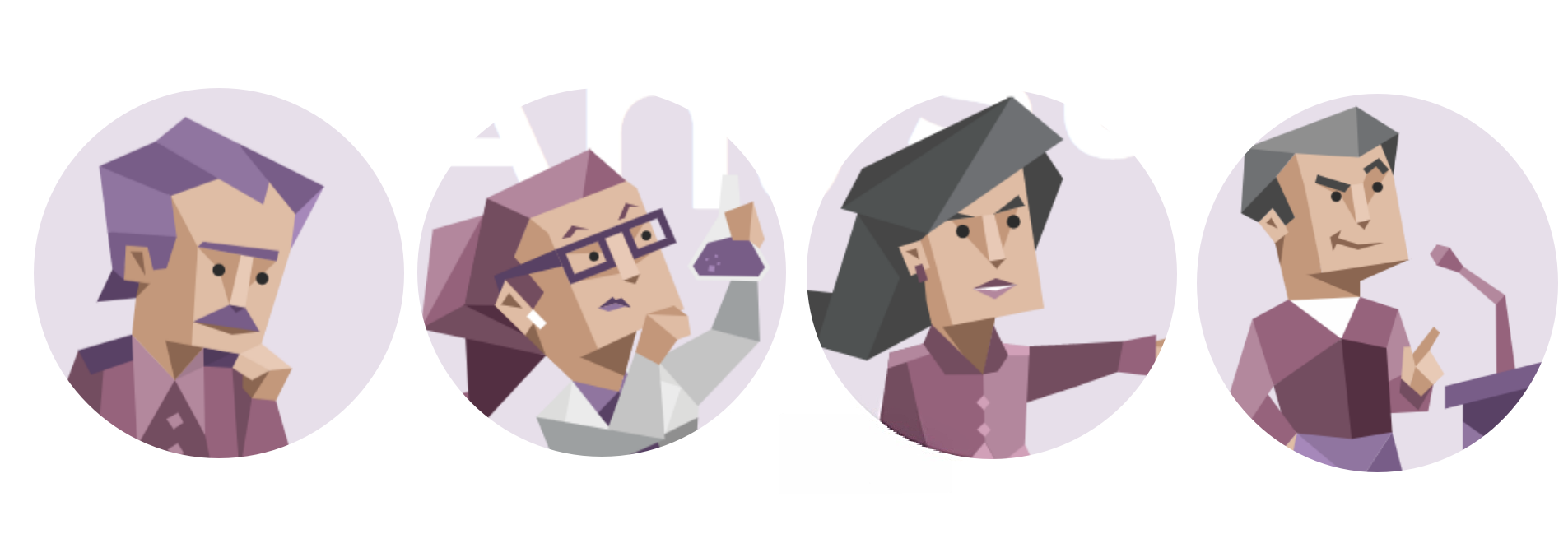
This temperament framework comes from psychologist David Keirsey and his influential book Please Understand Me, which groups personalities into four core temperaments: NT (Rationals), NF (Idealists), SJ (Guardians), and SP (Artisans).
Today, we’re going beyond theory. We’re talking about real life — about why intelligent, rational NT personalities often struggle with workplace dissatisfaction, and how the other three temperaments experience unhappiness in very different ways.
Because work stress is universal.
But the reason behind it? That’s deeply personal.
—
The NT Personality: Brilliant, Efficient — and Quietly Disillusioned
NT types (INTJ, ENTJ, INTP, ENTP) are wired for systems thinking. They instinctively analyze structures, optimize processes, and question inefficiencies. They don’t just want to complete tasks; they want to redesign the machine.
You’ve seen them before.
In meetings, while others debate opinions, they’re mapping the logic tree.
When leadership announces a goal, they’re already reverse-engineering the roadmap.
When colleagues complain about workflow, they’re thinking, “The system itself is flawed.”
Their core motivation is improvement.
And that’s exactly where the tension begins.
- NTs Are Highly Sensitive to Inefficiency
Many people are mildly annoyed by bureaucracy. NTs are mentally exhausted by it.
Repeated meetings that lead nowhere.
Promotions based on charisma instead of competence.
Projects blocked by politics rather than logic.
NTs don’t react emotionally at first. They observe. They analyze. They try to fix.
But when they realize the system doesn’t want to be fixed, something shifts.
The frustration isn’t loud. It’s internal.
They begin to detach.
One INTJ professional once told me:
“I don’t mind hard work. I mind pointless work.”
That distinction is everything.
NT dissatisfaction doesn’t come from workload. It comes from wasted cognitive energy.
- They See the Game Too Clearly
Many workplace environments operate on unspoken rules: social positioning, relationship management, timing, visibility.
NTs recognize these patterns quickly.
The problem is, they don’t enjoy playing them.
They value competence and clarity. When they discover that influence often outweighs ability, it creates a subtle existential friction.
“If this isn’t a merit-based system, what exactly am I optimizing for?”
That question can slowly erode motivation.
They still perform. They still deliver.
But the internal commitment fades.
- They Need Intellectual Challenge
Routine is stability for some personalities. For NTs, routine without growth feels like cognitive decay.
Repetitive reporting.
Administrative loops.
Tasks that require execution but not thinking.
Over time, their mind disengages.
This is why many highly capable NT professionals burn out in environments that others find comfortable. It’s not about compensation. It’s about complexity.
When there’s no puzzle left to solve, their drive declines.
The NF Personality: Meaning Above All
If NTs are driven by logic, NFs (INFJ, ENFJ, INFP, ENFP) are driven by meaning.
They ask a fundamentally different question:
“Does this matter?”
An NF can tolerate long hours, modest pay, even uncertainty — but not value misalignment.
If their work feels hollow, transactional, or emotionally disconnected, dissatisfaction builds quickly.
- Purpose Is Not Optional
An INFP working in aggressive sales may hit every target and still feel internally conflicted.
“I’m achieving goals,” they might think, “but am I helping anyone?”
This isn’t weakness. It’s wiring.
NF personalities anchor motivation to impact.
When they can’t connect their daily tasks to a broader human purpose, energy drains rapidly.
- Emotional Labor Is Invisible — but Heavy
ENFJs in leadership often carry emotional responsibility far beyond their job description.
They monitor team morale.
They worry about interpersonal tensions.
They internalize conflicts.
Others may see them as supportive and warm.
What they don’t see is the silent emotional load.
When workplace culture becomes cold, hyper-competitive, or transactional, NFs often experience quiet burnout.
Their dissatisfaction isn’t about logic — it’s about disconnection.
—
The SJ Personality: Stability and Structure
SJs (ISTJ, ESTJ, ISFJ, ESFJ) are often the backbone of organizations.
They value reliability, order, and responsibility.
When systems function clearly, SJs thrive. When structures break down, stress escalates.
- Sudden Change Feels Like Instability
Frequent leadership shifts.
Constant policy updates.
Ambiguous roles and unclear expectations.
For NTs, change may represent innovation.
For SJs, it can feel like unpredictability.
An ISFJ accountant once described a company-wide software change as “losing the ground under my feet.”
It wasn’t about capability. It was about losing structure.
- They Carry Duty Quietly
SJs rarely dramatize dissatisfaction.
They show up early.
They stay late.
They absorb extra responsibilities.
But when organizations become chaotic or unreliable, their trust erodes.
And because they define themselves through responsibility, they may stay longer than they should — enduring stress silently.
—
The SP Personality: Freedom and Immediate Experience
SPs (ISTP, ESTP, ISFP, ESFP) are energized by action, adaptability, and real-time engagement.
They are often the most present, flexible, and spontaneous personalities in the workplace.
But confinement suffocates them.
- Over-Control Creates Frustration
Highly regulated environments.
Layered approval processes.
Micromanagement.
SP personalities lose motivation quickly in rigid systems.
An ESFP working in a heavily bureaucratic role once described her experience as “being locked in a room with fluorescent lights and no windows.”
They need movement. Tangible progress. Visible results.
- Abstract Long-Term Planning Drains Energy
Endless strategic forecasting sessions without action can feel draining.
SPs prefer doing over theorizing.
When workplaces become overly conceptual and delayed in feedback, SP dissatisfaction rises.
—
Why NT Dissatisfaction Often Goes Unnoticed
Among the four temperaments, NT frustration is often the most invisible.
They don’t vent loudly.
They don’t dramatize.
They don’t seek emotional reassurance.
They simply disengage internally.
Performance remains.
Delivery continues.
But enthusiasm declines.
It’s a quiet withdrawal.
And because they still appear competent, their dissatisfaction is rarely addressed.
—
The Real Issue: Temperament–Environment Mismatch
Workplace happiness is not purely about salary, title, or prestige.
It’s about alignment.
An NF in a purely profit-driven culture may feel empty.
An SJ in a volatile startup may feel anxious.
An SP in a rigid corporate structure may feel trapped.
An NT in a low-efficiency system may feel disillusioned.
None of these individuals are flawed.
They are simply operating in environments that don’t match their psychological drivers.
—
Practical Reflections for Each Temperament
For NTs:
Seek complexity. Advocate strategically. Learn to navigate systems without losing integrity.
For NFs:
Define personal impact clearly. Protect emotional boundaries.
For SJs:
Build adaptability gradually. Prepare for change without abandoning your need for structure.
For SPs:
Create outlets for autonomy. Preserve space for action and experimentation.
—
Work dissatisfaction is often framed as laziness, entitlement, or lack of resilience.
More often, it’s misalignment.
Understanding your temperament doesn’t excuse discomfort — but it explains it.
And explanation creates leverage.
If you’re an NT who feels increasingly detached, it may not be burnout. It may be intellectual starvation.
If you’re an NF who feels drained, it may not be weakness. It may be value conflict.
If you’re an SJ overwhelmed by change, it may not be incompetence. It may be structural disruption.
If you’re an SP feeling restless, it may not be immaturity. It may be over-constraint.
Work is a context.
Temperament is the lens.
And sometimes, the difference between quiet dissatisfaction and sustainable fulfillment is not changing who you are —
but choosing an environment that allows you to function as you were designed to.